
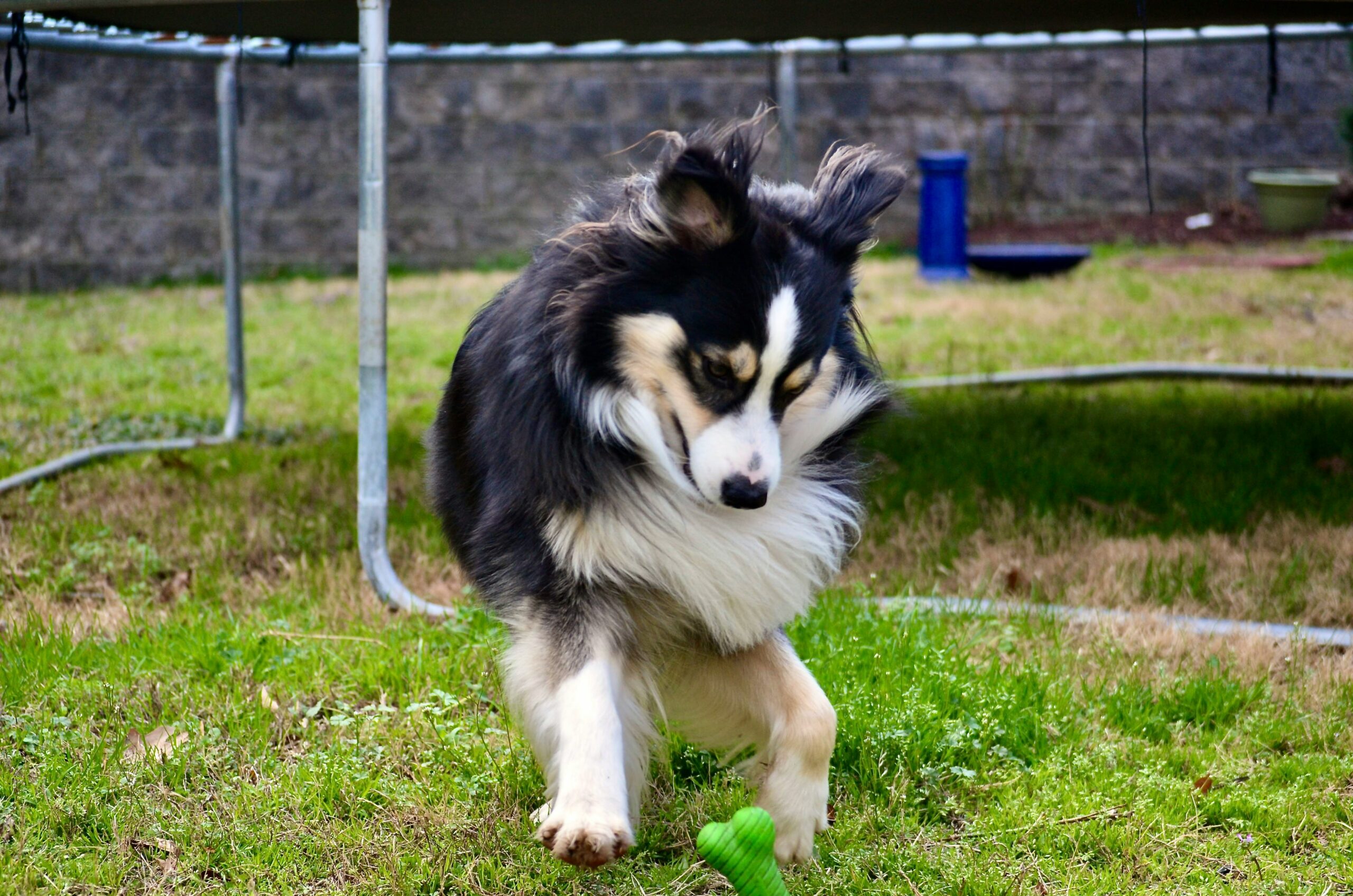
To be completely honest, my first attempt at grooming my Golden Retriever at home was a complete failure. There was fur all over the place, a very unhappy dog and a bathroom that appeared to have been blown through by a snowstorm. But we both got the hang of it after a few sessions, a lot of dog treats, and patience. My dog truly appreciates our grooming routine, and I now save more than $100 a month.
This tutorial is for you if you’ve been considering grooming your dog at home but are unsure of where to begin. We’ll go over everything in easy-to-understand terms, including the equipment you’ll need, how to get your dog ready, and every stage of the grooming procedure.
Why Groom Your Dog at Home?
Although professional grooming is fantastic, it isn’t always feasible. It needs appointments, is costly (usually between $50 and $120 per session), and some dogs find it quite traumatic to be left with strangers. By controlling the items used on your pet’s coat and skin, you can strengthen your relationship with them and identify health problems early on, such as lumps, rashes, ear infections, or dental difficulties that you may otherwise overlook.
What You’ll Need, Essential Home Grooming Tools
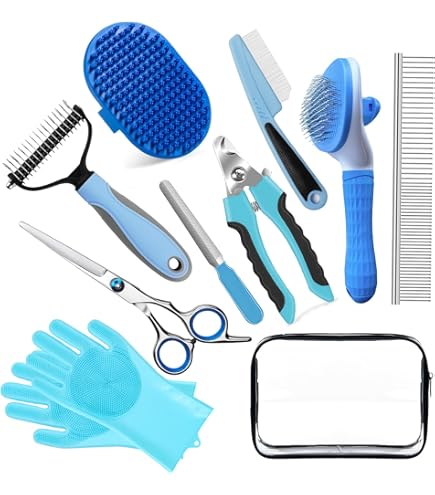
Get the necessary equipment before you begin. One of the most frequent errors made by novices is using the incorrect brush on the incorrect coat type.
- Slicker brush: excellent for removing loose hair and detangling most coat types.
- An undercoat rake is necessary for dogs with two coats, such as German Shepherds or Huskies.
- A metal comb is perfect for looking for mats after brushing.
- Always use dog-specific shampoo and conditioner instead of human shampoo.
- A nail grinder or clippers
- Cotton balls and a dog ear cleaning solution
- For trimming, blunt-tipped scissors or clippers
- A non-slip bathtub mat
- Lots of sweets—you’ll need them, I promise.
💡 Pro Tip: Buy tools based on your dog’s specific coat type. A Poodle needs very different tools than a Labrador. When in doubt, ask your vet or look up your breed’s grooming requirements.
Step-by-Step, How to Groom Your Dog at Home
- First, brush before taking a bath.
Prior to getting your dog wet, always brush them. Brushing out mats on a wet dog hurts them, and wet fur mats much more quickly. Brush in the direction of hair growth while working in parts. Use a slicker brush after using an undercoat rake on dogs with thick coats. - Examine the ears. Check for redness, odor, or discharge in your dog’s ears before giving them a wash;these are indicators of infection. If everything appears clean, let your dog shake it out after gently massaging the base of the ear for 20 to 30 seconds and squirting a tiny bit of ear cleaning solution into the ear canal. Use a cotton ball to remove any debris. Cotton swabs should never be inserted far into the ear canal. You could injure someone or push debris further in.
- Cut Nails. Most people hate cutting their nails, but it becomes easier with experience. Make use of sharp clippers that are appropriate for the size of your dog’s nails. To prevent cutting the quick (the pink blood vessel inside the nail), trim little portions at a time. Use cornflour or styptic powder to halt the bleeding if you unintentionally cut the quick.
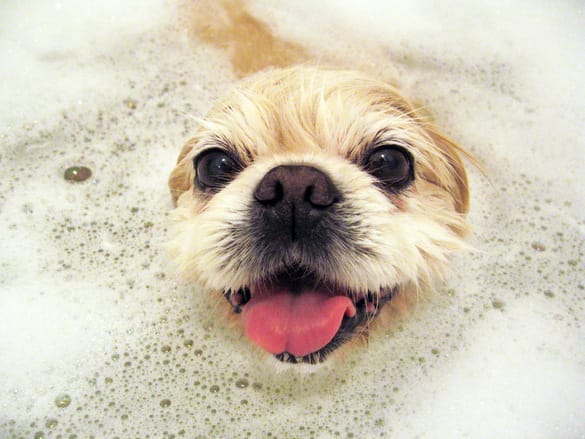
- Time for a bath. Use water that is just right—not too hot or too cold. Apply dog shampoo and work it into a lather from the neck down after fully wetting your dog. Take care when it comes to your eyes and ears. Rinse well because shampoo residue might cause skin irritation. If your dog’s coat is longer or drier, use a dog conditioner afterwards. This greatly simplifies the process of brushing out afterwards.
- Drying If necessary, use a pet-safe hair dryer on a low, cool setting after towel drying your dog. Hold the dryer at least six inches away from the coat and keep it moving continuously. Introduce the dryer gradually and combine it with lots of praise and rewards because many dogs are anxious about it. A wet dog, especially a small breed or an elderly dog, can quickly become chilly, so never leave them outside in cold weather.
- After bathing, brushing After your dog has completely dried, give their coat one last brush-through to remove any last tangles and leave it looking shiny. Checking the skin for any discomfort, lumps, or odd patches is also a fantastic idea at this time.
- Sanitary Trim, Paws, and Face Carefully clip any hair in the sanitary area, between the paw pads, and around your dog’s eyes with blunt-tipped scissors to prevent matting and slippage. Don’t rush these places; instead, work gently and maintain your scissors parallel to the skin.
Personal Tips from My Grooming Journey
- If at all possible, start young. Early grooming instruction helps puppies embrace grooming as a natural part of life.
• Keep sessions short at first. Thirty minutes of tension is worse than even ten minutes of good grooming. - Always conclude with a good statement. Your dog will learn to identify grooming with positive things if they receive praise, play, and treats at the conclusion.
- Groom in a brightly lit space. Natural light makes it easier to see the coat and identify any skin problems.
- If your dog is nervous, try not to do everything in one session. Divide it up across several days.
Frequently Asked Questions
Q: How frequently should my dog be groomed at home?
A: The breed determines this. Beagles and other short-coated dogs require weekly brushing and monthly washing. Golden Retrievers and Huskies are examples of long-coated or double-coated breeds that may require weekly brushing and bathing every four to six weeks.
Q: Can I give my dog human shampoo?
A: Not at all. Because human shampoo has a different pH than dog shampoo, it might irritate or dry up your dog’s skin, deplete their natural oils, and increase their risk of skin infections. Use a product designed specifically for dogs at all times.
Q: My dog despises grooming. How should I proceed?
A: Move very slowly. Begin with brief, constructive sessions. Allow your dog to explore and sniff the tools. Make use of expensive treats. Never put your dog in a frightening situation. Most dogs eventually come around to the idea that grooming doesn’t hurt.
Q: Is using clippers at home safe?
A: Yes, provided you use pet-specific clippers and adhere to the guidelines. To prevent cutting too short, start with a longer guard attachment. Before you start, search up a video instruction for your breed if you’re not sure about a certain haircut style.
Q: What happens if I unintentionally cut my dog’s skin?
A: Use a clean towel to gently press. This is usually sufficient to halt bleeding from small nicks. Get in touch with your veterinarian if the wound is deep or continues to bleed. Going ahead, always use scissors with blunt tips close to sensitive areas.