
When I first started grooming my dogs at home, I made the mistake almost every beginner makes: I bought the cheapest set I could find online. Six months later, I’d replaced almost everything. The brushes shed their pins, the clippers overheated mid-groom, and my dogs clearly found the whole experience unpleasant.
Not only are good grooming equipment convenient, but they also improve your dog’s experience safer and more comfortable. I’ll go over each type of grooming tool in this article, along with what to look for, which ones I personally use, and some common mistakes to avoid.
Understanding Your Dog’s Coat Type First
The type of coat your dog has is the most crucial consideration when selecting grooming tools. In addition to being totally worthless, using the incorrect brush for the wrong coat might harm your dog’s skin and coat. The primary categories are as follows:
- Beagle, Boxer, and Vizsla have short, smooth coats that require little brushing; Rubber curry brushes work nicely.
- Labradors, German Shepherds, and Corgis with medium or double coats require deshedding equipment and undercoat rakes.
- Cocker Spaniels and Afghan Hounds have long, silky coats; they require wide-tooth combs and pin brushes.
- Heavy-duty deshedding tools and undercoat rakes are required for thick, double coats (Husky, Chow Chow, Samoyed).
- Portuguese Water Dogs, Doodle mixes, and Poodles with curly or wavy coats require slicker brushes and expert clipping.
- Many terriers have wire coats; they require carding tools or stripping knives.

Category 1: Brushes and Combs
Slicker Brush
The mainstay of dog grooming is the slicker brush. Its short, fine wires, arranged closely together on a flat or slightly curved pad, work wonders to smooth the coat after washing, remove loose fur, and work out little knots. Since you’ll be using it most frequently, go for one with an ergonomic grip and flexible pins rather than rigid ones.
Best for: Most medium to long-coated breeds; also great for finishing after a bath.
💡 Pro Tip: Use your fingers or a comb to remove any stuck fur from your slicker brush after each brushing session. Grooming is uncomfortable because dirty brushes drag and pull.
Undercoat Rake
An undercoat rake is a must if your dog has two coats. The long, wide-set teeth on these instruments are intended to pierce the outer coat and extract the fluffy, dense undercoat that results in shedding. Your dog will drop a lot less fur around the house if you use one during the shedding season.
Ideal for: German Shepherds, Golden Retrievers, Corgis, Huskies, and any breed with two coats.
Greyhound Comb made of metal
This isn’t exclusive to Greyhounds, despite the name. The best instrument for examining your work after brushing is a professional stainless steel comb with a combination of fine and coarse teeth. After brushing, run it through the coat; if it passes through without snagging, your dog is mat-free. Continue brushing if it catches.
Deshedding Tool
In order to catch and remove loose undercoat fur, tools like the Furminator have a unique curved stainless steel edge that extends into the topcoat. They are incredibly effective when used appropriately (not too vigorously, and not more than once a week). After just a few sessions, many owners claim a 70-80% decrease in shedding.
Be careful not to use deshedding tools excessively. During instances of severe shedding, once a week is sufficient. The topcoat may be damaged by excessive use.
Category 2: Nail Care Tools
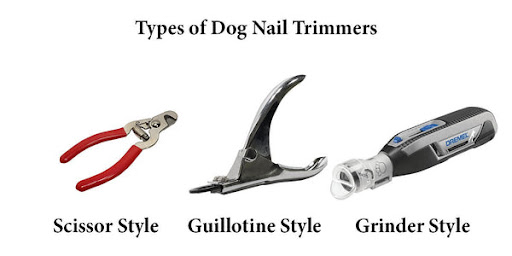
Nail clippers in the style of scissors
Scissor-style clippers provide the maximum control for tiny to medium-sized canines. Look for a safety guard and blades made of stainless steel. By limiting the amount of nail that can enter the clipper at once, the guard helps avoid inadvertently cutting the quick.
Nail clippers in the style of a guillotine: The way guillotine clippers operate is that a nail is inserted into a hole, and a blade is brought across by pressing the handle. They are widely used, however the blade needs to be changed frequently because dull blades cause severe crushing instead of cutting.
Nail Grinder
Instead of clipping nails, an electric nail grinder (such as a Dremel-style tool with a pet grinding attachment) smoothes them. Because there is less chance of striking the fast, grinders are preferred by many owners. The drawback is that some dogs find the loudness and vibration uncomfortable. Before your dog touches their nails, introduce the grinder gradually, allowing them to hear and smell it while it is operating.
💡 Pro Tip: Always include a styptic pencil or powder in your grooming equipment. These stop bleeding in a matter of seconds if you nick the quick. If styptic powder is not available, cornflour is a good alternative.
Category 3: Bathing Tools
Shampoo for dogs
Use dog-specific shampoo at all times. Human shampoos upset the pH balance of dog skin, which is normally between 6.2 and 7.4, whereas human skin is between 4.5 and 5.5. Over time, this can lead to dryness, irritation, and skin infections. Seek out shampoos that contain only natural components and are devoid of parabens and artificial smells.
- Use a mild, tear-free puppy shampoo for pups.
- Look for shampoos that contain aloe vera or oats if you have dry or irritated skin.
- Use a deshedding shampoo and conditioner system to control shedding.
- Baking soda-based or deodorizing formulations for odor control
Attachment for a Handheld Shower
Bath time is significantly simplified with a handheld showerhead and flexible hose. You can rinse more completely, direct water precisely where you need it, and keep water out of your dog’s ears and face. For at-home grooming, this is among the best expenses you can make.
Non-Slip Bath Mat: A dog will panic and flail if they are unable to gain traction in the tub. Your dog’s bath-time anxiety can be greatly reduced by placing a simple rubber non-slip mat or even a folded bath towel at the bottom of the tub.
Category 4: Clippers and Scissors
You’ll need clippers, scissors, or both if you want to do more than just give your dog’s coat a tidy-up at home.
Expert Pet Clippers
If you have a high-maintenance breed, such as a Poodle, Shih Tzu, or Bichon Frise, it is worthwhile to invest in a professional-grade model. Consumer pet clippers are acceptable for infrequent usage. These are longer-lasting, cooler, and run more quietly. Adjustable blade length, a quiet motor (particularly for nervous dogs), and ideally a cordless design for manoeuvrability are important qualities to seek for.
💡 Pro Tip: Throughout a grooming session, always use clipper spray (coolant/lubricant). Blades heat up quickly, and even if you’re not aware of it, a hot blade can burn your dog’s skin.
Scissors for grooming
Get at least three pairs of scissors: curved scissors for regions like the face and paws, thinning shears for blending and softening lines, and straight scissors for general trimming. Always purchase scissors with blunt or rounded edges since they significantly lower the chance of injury in the event that your dog moves unexpectedly.
Grooming Tool Maintenance: Don’t Skip This
If they are not maintained, even the best instruments become dangerous and ineffective. After each use, remove any fur or debris from the brush pins and blade teeth, clean the blades with a moist cloth, and store everything dry to avoid rust. When scissors begin to pull instead of cutting smoothly, sharpen them and replace the clipper blades.
usage clipper oil to lubricate clipper blades both before and after each usage; This lowers heat and friction and greatly increases blade life.
Frequently Asked Questions
Q: Which brush is ideal for a dog that sheds a lot?
A: The ideal combo for heavy shedders is an undercoat rake and a deshedding tool such as the Furminator. After loosening the undercoat with the rake, use the deshedding tool. For a finished appearance, use a slicker brush to finish.
Q: How can I determine when the blades on my clippers need to be changed?
A: It’s time to replace or sharpen blades if they begin to pull, snag, or leave uneven lines instead of cutting smoothly. Clipper burn can result from dull blades, which also make grooming difficult.
Q: Do cordless clippers have the same power as corded ones?
A: Cordless clippers have advanced to the point that they can now be used for the majority of household grooming duties. However, corded clippers usually offer more reliable power for extremely thick or dense coats. For longer sessions, battery life should also be taken into account.
Q: What equipment is required if all I want to do is keep my dog’s coat looking nice in between professional grooms?
A: slicker brush, a metal comb, nail clippers, and ear cleaning materials are all you really need for upkeep in between expert appointments. In between appointments, these fundamentals will keep your dog relaxed and untangled.
Q: Is purchasing individual equipment or a full grooming kit worthwhile?
A: For novices, grooming kits may be a fantastic deal, but make sure each component is of high quality. You will soon become irritated with a package that has subpar brushes or clippers. Purchasing high-quality individual tools for your dog’s particular needs is frequently a better long-term investment.