

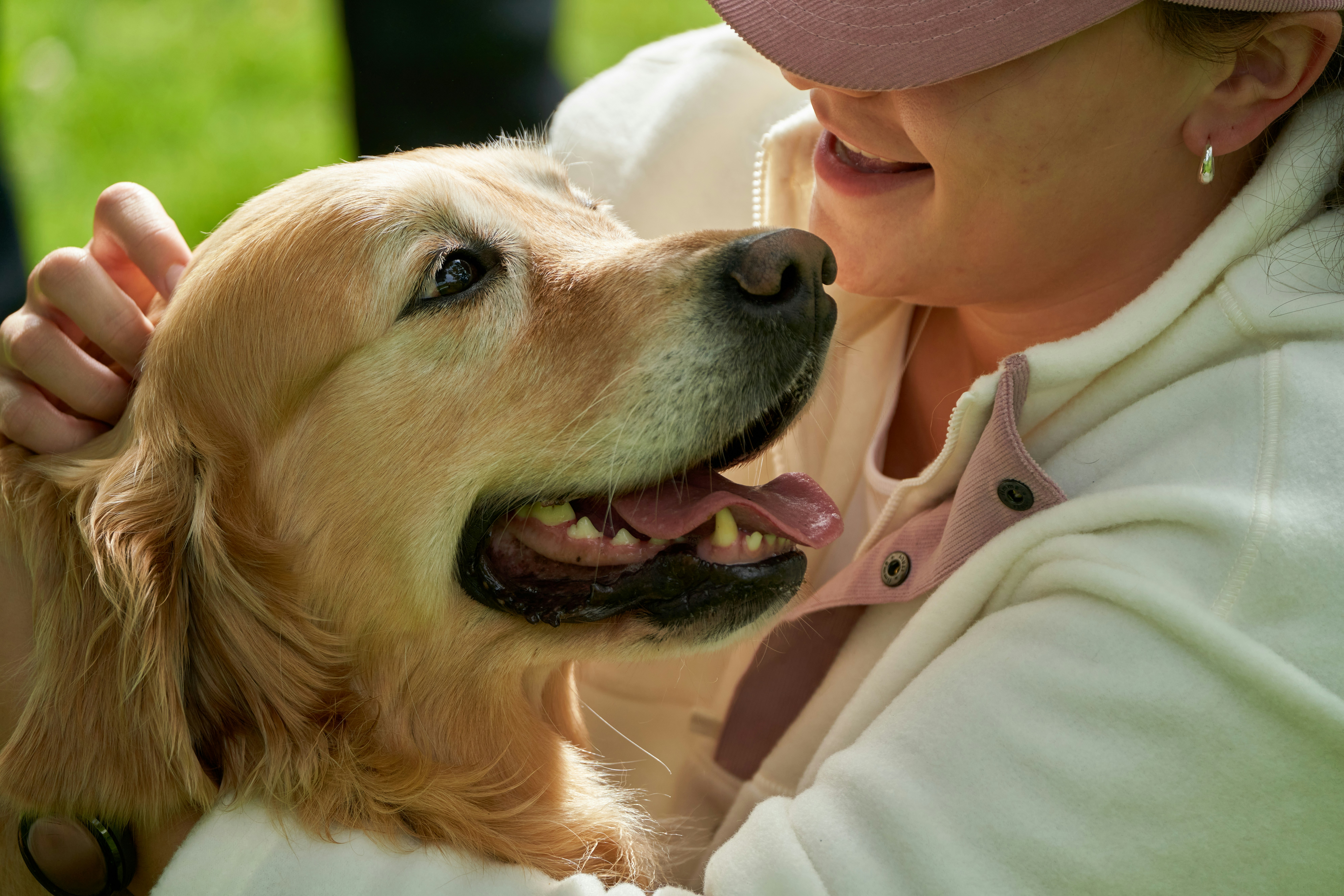
You’ve made up your mind to get a dog. A genuine companion—a furry friend who will blend in with your life—rather than just any dog. However, as soon as you begin considering breeds, you find yourself overwhelmed by your selections. Is that cute Golden Retriever puppy something you should get? How about a mutt that was saved? Would a tiny dog fit better in your apartment?
The truth is that there isn’t a “perfect” breed. However, there is a breed that is ideal for you. And locating that match? We’re going to sort that out today.
The Questions Nobody Asks (But should)
You should be brutally honest with yourself about your lifestyle before you even begin scrolling through adorable puppy photos. I’ve witnessed far too many individuals fall in love with a breed’s beauty without thinking about whether they can truly satisfy the demands of that dog.
How active are you, really?
Not how active you want to be or intend to be once you have a dog. How active are you at the moment? An energetic breed can be suitable if you presently workout for an hour every day. Purchasing a Border Collie because they are intelligent is a plan for failure if you prefer to watch Netflix and relax.
What’s your living situation?
Apartment living isn’t a dealbreaker for most breeds, but it does matter. Some dogs need yards. Some breeds are quiet, others bark at everything. Your landlord and neighbors will thank you for thinking this through.
How much time are you actually home?
Which breeds will flourish with you varies significantly depending on whether you work from home or journey to an office for ten hours a day. Some dogs perform well when left alone. Some people have loneliness-related separation anxiety and ruin your couch.
What’s your tolerance for grooming and shedding?
Be honest. Are you okay with hair on everything you own? Can you commit to brushing daily or professional grooming every six weeks? Some of the most beautiful breeds are also the highest maintenance.
Size Really Does Matter
I’ll start with size since, contrary to popular belief, it matters more than most people realize.
Breeds that weigh less than 25 lbs aren’t always simpler. Many small dogs are actually livelier and yappier than large breeds, despite the fact that they consume less and are more portable. French Bulldogs, Shih Tzus, and Cavalier King Charles Spaniels are great low-key companions. However, Jack Russell Terriers? Compared to dogs three times their size, those little fellows have more energy.
The benefit is that little dogs can get enough exercise indoors, are less expensive to care for, and are easier to travel with. The drawbacks include the fact that some of them have a “small dog syndrome” mentality, are frequently more delicate, and can be more difficult to housetrain.
For many people, medium breeds weighing between 25 and 60 lbs are ideal. This group includes dogs like Bulldogs, Beagles, and Cocker Spaniels. They are manageable in most living settings, yet they are large enough to seem like “real” dogs.
Although certain large breeds, such as Great Danes and Mastiffs, are couch potatoes that thrive in small spaces, large dogs (60 pounds or more) frequently have a negative reputation for living in apartments. The true factors to take into account are cost (they eat a lot), short lifespans (big dogs usually live 7–10 years, compared to 12–16 for smaller breeds), and possible health problems.
Energy Levels: The Make-or-Break Factor
This is where the majority of individuals make mistakes. They don’t take energy needs into account; instead, they make decisions solely on appearance or breed popularity.
Basset Hounds, English Bulldogs, Cavalier King Charles Spaniels, Shih Tzus, and Greyhounds (yes, they are sprinters, not marathon runners) are examples of low-energy pets. These canines are happy to spend a lot of time on the couch and take brief walks. Ideal for people who work long hours, live in apartments, or are elderly.
While they don’t continuously bounce off walls, moderately energetic pets like Golden Retrievers, Labs (if properly trained), Poodles, and the majority of mixed breeds require a daily walk and occasional fun. They are versatile and excellent family pets.
Border Collies, Australian Shepherds, Jack Russells, Huskies, and Weimaraners are examples of high-energy breeds. Every day, these canines require jobs, physical activity, and cerebral stimulation. They grow destructive and nervous when they are not exercised. These breeds can make wonderful companions if you’re a runner, hiker, or someone who is truly active. If not? Make an alternative decision.
Temperament Traits That Matter for Companionship
Beyond energy, think about the personality traits that matter most to you in a companion.
Affectionate and velcro dogs:
Golden Retrievers, Labrador Retrievers, Cavalier King Charles Spaniels, and Havanese are among the breeds that want to be with you all the time. Being left alone for extended periods of time makes them unhappy. These are the breeds to choose if you want a shadow that follows you everywhere.
Independent but loyal:
Although they don’t require continual care, Shiba Inus, Basset Hounds, and certain terrier varieties adore their owners. They are willing to entertain themselves while you work and then come to cuddle with you afterwards.
Social butterflies:
Golden Retrievers, and Beagles typically love everyone—your friends, strangers, other dogs. Great if you want a dog for social situations. Not ideal if you want a protective watchdog.
One-person dogs:
Breeds like German Shepherds, Akitas, and some Chihuahuas tend to bond deeply with one or two people. They’re loyal but can be aloof with strangers.
The Breeds That Keep Showing Up as Best Companions
Let me share the breeds I consistently see succeeding as companion animals, based on years of experience:
Cavalier King Charles Spaniel: Without a doubt, one of the greatest companion breeds ever created. They are literally designed to keep you company while perched on your lap. Good with children and other pets, loving, and low to moderate energy. What is the catch? Budget for veterinary expenses because health problems are frequent.
Golden Retriever: They are well-liked for a reason. dogs that are kind, understanding, trainable, and truly joyful. They are flexible, but they require workout. Excellent with families. However, they do shed a lot.
French Bulldog: attractive, compact, and low-energy personalities. They don’t require much activity and are quiet for an apartment. In addition to being costly to buy, health concerns (breathing difficulties) are a significant factor.
Labrador Retriever: Like Goldens, but a little livelier and sillier. Excellent family dogs that thrive by food (which facilitates training but keep an eye on their weight). They require room to expend energy.
Mixed Breeds: To be honest? The best companions are frequently mutts. You can discover the ideal size and temperament combo in shelters, and they typically have less health problems. You’re also saving a life.
Poodle (Standard or Miniature): Poodles are extremely intelligent, hypoallergenic, and versatile, so don’t be fooled by their fancy haircuts. They are available in various sizes to accommodate various lifestyles. They do need to be groomed on a regular basis.
Bichon Frise – Cheerful, hypoallergenic, and great for smaller living spaces. They’re social and generally healthy. Regular grooming is non-negotiable.
Red Flags: Breeds That Might Not Fit Companion Life
I’m going to make a controversial statement by mentioning breeds that, although fantastic, aren’t the best choice for the majority of people looking for a companion dog: Although huskies are attractive and well liked on Instagram, they are escape artists with a high prey drive and a need for a lot of activity. They’re difficult unless you’re really energetic and skilled.
Border Collies are too smart for their own good. Without a job (like herding), they become neurotic and destructive. They’re working dogs at heart.
Dalmatians are high-energy, can be stubborn, and aren’t as friendly as the Disney movies suggest. They need experienced owners.
Akitas and Chow Chows can be aggressive toward other dogs and territorial. They’re loyal but require experienced handling.
This doesn’t mean these breeds are bad—they’re just not ideal for the average person wanting a chill companion.
Puppy vs. Adult Dog: A Critical Decision
You might be surprised by my advice: think about adopting an adult dog. Puppies are cute, but they can be extremely demanding.
They go through bothersome phases (chewing everything, teenage rebellion around 6–12 months), and they require ongoing supervision and teaching.
Having a puppy is really challenging if you have a full-time job. Dogs that are two years of age or older have developed personalities.
You get what you see. They are frequently calmer, past the destructive chewing stage, and already housetrained. Many dogs in shelters are there due to circumstances beyond their control, such as divorce, relocation, allergies, or behavioral problems.
If you do want a puppy, keep in mind that early socialization and training are more important than breed. Compared to a poorly nurtured purebred, a well-socialized mutt puppy will probably make a superior friend.
The Questions to Ask Breeders or Shelters
If you’re going the breeder route (and please, only reputable breeders who health-test their dogs):
- Can I meet both parents?
- What health testing have you done?
- What’s the temperament of the parents like?
- Will you take the dog back if it doesn’t work out?
Reputable breeders ask YOU questions too. They care where their puppies go.
If you’re adopting from a shelter:
- What’s the dog’s history, if known?
- How do they behave with other dogs/cats/kids?
- What’s their energy level like?
- Can we do a trial period or foster-to-adopt?
Many shelters do behavioral assessments. Trust their judgment—they want successful placements.
My Unconventional Final Advice
Give up trying to find the “perfect” breed. A dog whose demands align with your lifestyle and whose personality complements yours is the ideal companion. I’ve seen Chihuahuas outperform Labs as running companions. Although they are uncommon, I have encountered couch-potato Border Collies. Each dog is unique. Go to shelters. Get to know adult dogs. Observe who picks you as much as you choose them. Sometimes the unexpected company turns out to be the best one. And keep in mind that any breed can make a wonderful companion if you are dedicated to fulfilling their requirements and realistic about what you can offer. No matter how adorable they are, the worst companion is a dog whose demands you are unable to satisfy.
What breed ended up being your perfect companion? I’d love to hear your stories—especially the unexpected matches that turned out perfectly.