
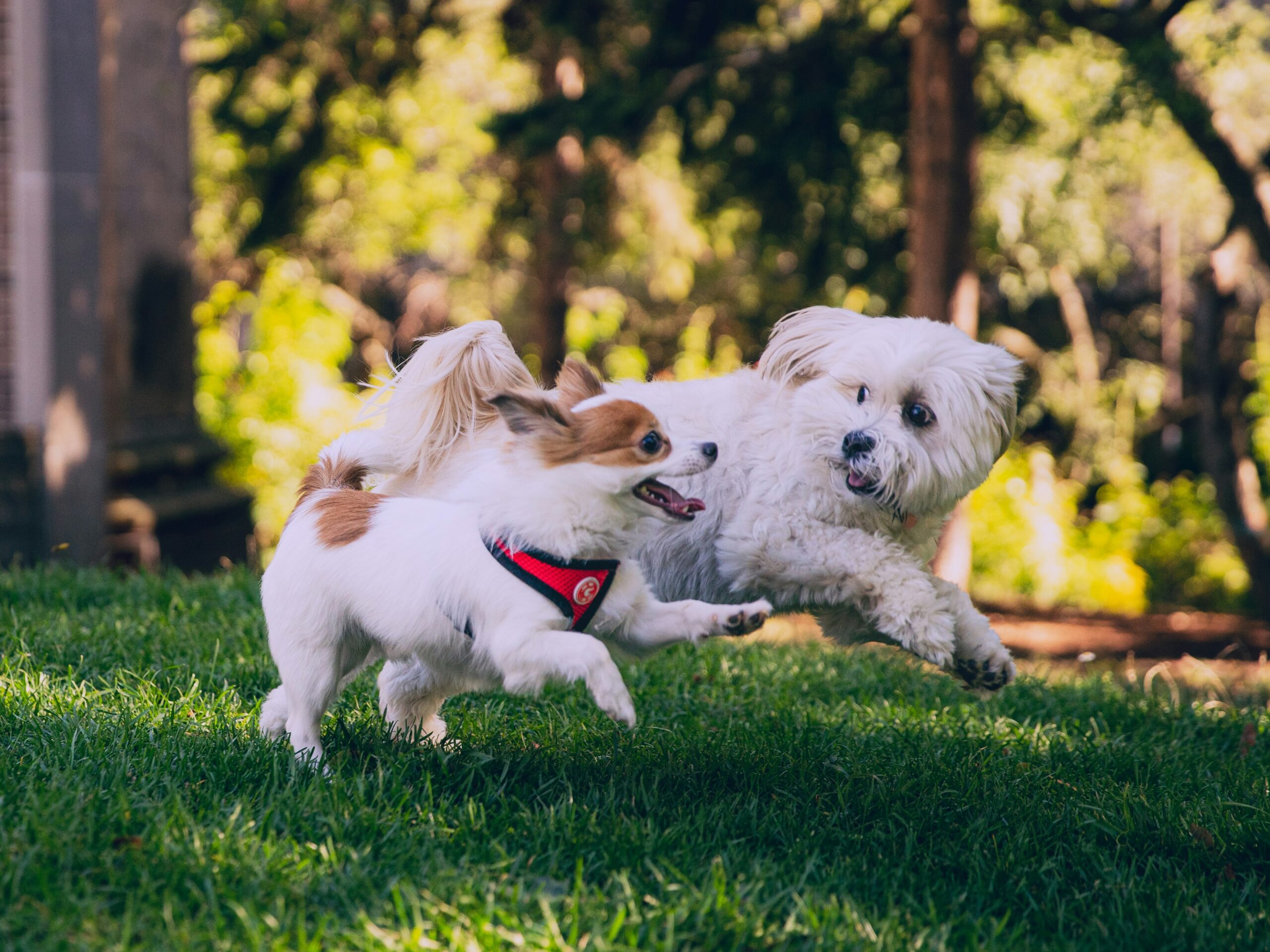
Many novice dog owners are unaware of a window of opportunity with puppies. Puppies’ brains are particularly open to new experiences during what is known as the socialization stage, which lasts from three to sixteen weeks. They tend to accept as normal for the rest of their lives whatever that they are positively exposed to throughout this window. They may start to fear whatever they are not familiar with.
How does this relate to grooming? Everything. During this crucial period, a puppy will almost probably be easy to groom for the rest of their lives if they are carefully introduced to brushing, nail trims, baths, and handling. A dog is far more likely to be nervous and challenging if they are introduced to a brush or clippers for the first time at six months of age, after the socialization window has closed.
This tutorial will show you how to start grooming your puppy properly, regardless of how old they are—eight weeks or six months.
Why Early Grooming Habits Matter So Much
Consider how a dog is groomed: having their lips and paws handled, being wet in a tub, having foreign instruments contact them all over their body, and hearing clippers close to their ears. From a dog’s point of view, this is a lot of strange and possibly frightening stuff. The first professional grooming appointment might be quite upsetting for a dog that has never encountered these things.
However, for a dog who has received kind and encouraging treatment throughout its first few weeks of life? It’s just another Tuesday.
Regular handling from a young age not only promotes emotional well-being but also significantly reduces the stress of veterinary examinations for both your dog and the veterinarian.
What to Do in the First Week Home
During the first week at home, your dog should focus on settling in rather than rigorous grooming. However, there are still numerous things you may do to establish the foundation:
- Every day, touch your puppy’s paws, ears, mouth, tail, and belly. Managing desensitisation is one of the most beneficial things you can do.
- Allow your pet to smell grooming supplies. To help them develop accustomed to it, place a brush on the floor next to their bed or play area.
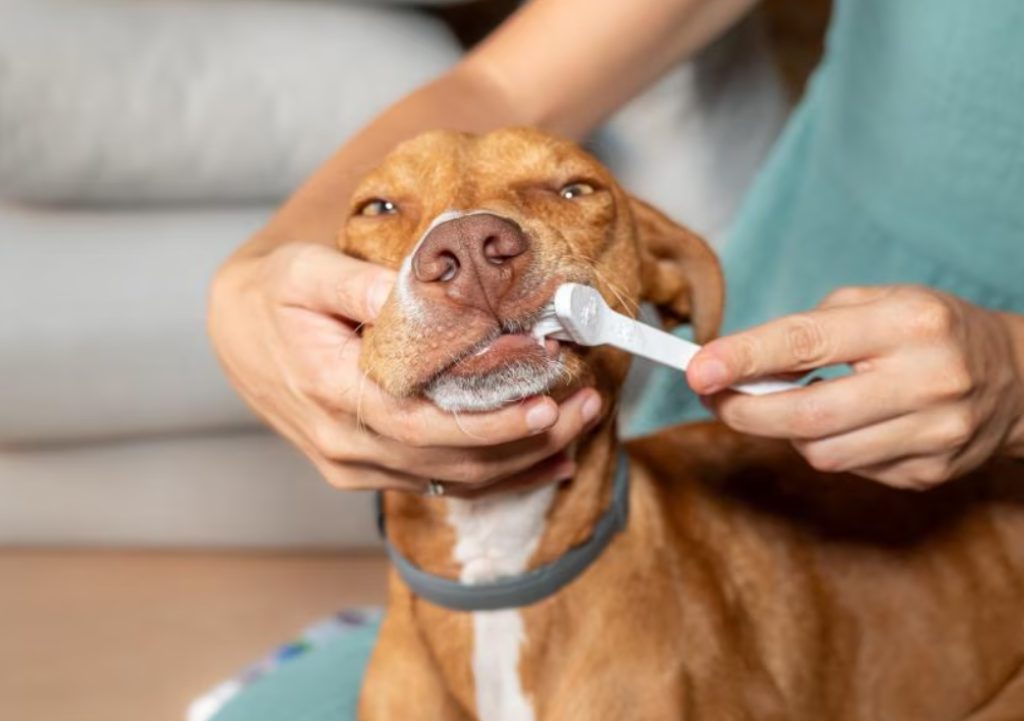
- Practice “mouth opening” by holding your puppy’s muzzle gently, opening their mouth for a short while, and rewarding them with a treat. This gets kids ready for tooth brushing and dental checkups.
- When offering goodies, gently push and squeeze the paw pads. This is similar to how nail cutting feels.
- To help them get used to the sound, run a hair dryer in the same room but away from them.
When to Start Formal Grooming
From the first week forward, you can start gentle, positive-association grooming sessions. This is a general timeline:
Weeks 8–12: Gentle Overview
Do brief sessions (no more than two to three minutes) using a soft-bristle brush or even a grooming glove. The main objective is to establish a favorable connection, not to really groom the coat. Give frequent praise, brush softly, and offer treats all along the way. Before your puppy exhibits any indications of wanting to go, stop.
- Place your puppy on your lap or next to you as you sit on the floor.
- Allow them to smell the brush.
- Lightly brush their back once or twice.
- Give praise and a treat right away.
- After four or five repetitions, conclude the session.
💡 Expert Advice: End each session while your dog is still having fun. They will look forward to the next session if you stop while they are enjoying themselves. Even one step outside of their comfort zone can ruin weeks of productive work.
Weeks 12–16: Including Additional Tools
During this time, gradually introduce other tools: ear cleaning, a soft rubber bath mat, and nail clippers (for the first few sessions, just touch the clippers to the paws without really cutting). Start conducting quick “bath simulations” by putting your dog in the tub with the mat, giving them rewards, and then removing them. At first, don’t even turn on the water.
The First Actual Bath
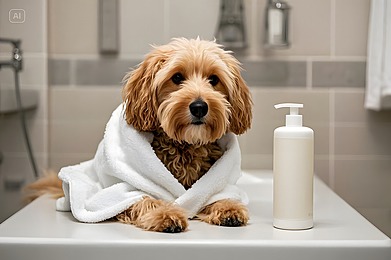
Make things as low-key as you can when you’re ready for the first proper bath, which is often around 12 weeks following the initial vaccines.
- Just a few inches of warm water should be used.
- To keep your puppy occupied and happy, place snacks on the tub’s edge.
- Don’t wet the head or face, just the body.
- Use a tiny bit of dog shampoo and immediately create a lather.
- Give it a good rinse.
- Wrap in a warm towel right away, play, and give lots of praise.
The initial bath should not go longer than five minutes. The goal is not to obtain a flawless groom, but to teach your dog that baths finish cheerfully.
First Nail Trim: Don’t Rush It
Puppies have thin, pointed nails that develop quickly. However, one of the most frequent ways owners develop a lifetime of grooming anxiety is by speeding up nail trims. This is the strategy I suggest:
- In weeks one and two, simply touch your puppy’s paws with the clippers without cutting them. Give liberally.
- Week 3: Act as though you are cutting a nail by holding the paw, positioning the clipper, and clicking the handles while keeping your hands off the nail. Give them a treat.
- Week 4: Cut off the very tip of one paw’s nail. big praise, big goodies. Completed.
- Work your way up to all four paws over the course of several sessions in each consecutive session.
The investment pays off for more than 15 years of stress-free nail trims, although it takes longer than simply cutting all the nails at once.
Puppy Grooming by Breed Type
The breed of your puppy has a big impact on how they groom themselves as adults:
- For breeds with short coats, such as Boxers and Beagles, weekly brushing and monthly washes are sufficient. Pay close attention to cleaning your ears and nails.
- Breeds with two coats, like Golden Retrievers and Australians, should start using an undercoat brush as soon as possible. These dogs will shed a lot, therefore it is important to desensitize them to thorough brushing at an early age to avoid problems later.
- Long-coated breeds (Maltese, Shih Tzus): Start using a comb right away. The more good handling experiences these dogs have, the better, as mat prevention is crucial and they will require expert grooming as adults.
- Breeds with curly coats, such as Doodles and Poodles, need to have their coats clipped regularly. Clippers should be introduced early since puppies who haven’t used them before may find the sound and vibration frightening.
Signs Your Puppy Is Overwhelmed
It’s critical to learn how to understand your puppy’s stress signs. If you observe any of the following, stop the grooming process right away and give your dog a break:
- Excessive panting (when not hot)
- Yawning a lot
- Making an effort to flee or move away
- Stiffly freezing
- Frequently licking their nose or lips
- Whale eye, which displays the whites of the eyes
- Tail tucked behind the torso or low tail
These are early indicators of stress and soothing impulses. You’ve gone too far, too quickly, if you notice them. Rebuild confidence by going back to a simpler, earlier step.
💡 Pro Tip: It can be beneficial to keep a basic log of your grooming sessions. Take note of your puppy’s reactions and what worked well, then modify your strategy accordingly. Since dogs are unique, what suits one may not suit another.
Frequently Asked Questions
Q: When can a puppy receive their first professional grooming?
A: The majority of groomers advise holding off until your puppy has finished its main immunization series, which is usually between 12 and 16 weeks. Instead of providing full grooming, some groomers offer “puppy intro” sessions that are intended to be happy first encounters. These are worth looking for.
Q: When getting his nails done, my puppy snaps. How should I proceed?
A symptom that your puppy is afraid is snapping. Instead of punishing it, go back a few stages in your desensitisation process. Return to simply stroking their paw with the clipper without cutting. Build up considerably more slowly. See a positive reinforcement trainer if the behavior continues.
Q: How do I stop my puppy from biting the brush?
A: Everything is bitten by puppies! Use a chew toy or treat to divert attention. Using one hand, administer goodies while using the other to brush. When the novelty wears off, most puppies stop doing this, especially if brushing sessions are regularly enjoyable.
Q: Is it better to groom my puppy myself or hire a groomer?
A: Both, ideally. For breed-specific trims and anything that needs a lot of cutting, hire a professional groomer. Maintain your appearance in between appointments by routinely brushing, checking your nails, and cleaning your ears. Your puppy will be exposed to a variety of positive handling experiences thanks to this combo.
Q: Brushes terrify my rescue doggie. Is it too late?
A: It might take longer, but it’s never too late. Even mature dogs can benefit from counter-conditioning, which involves associating the frightening object with rewards. Work at your dog’s pace, never push it, and if you’re not seeing results, think about consulting a licensed professional dog trainer.